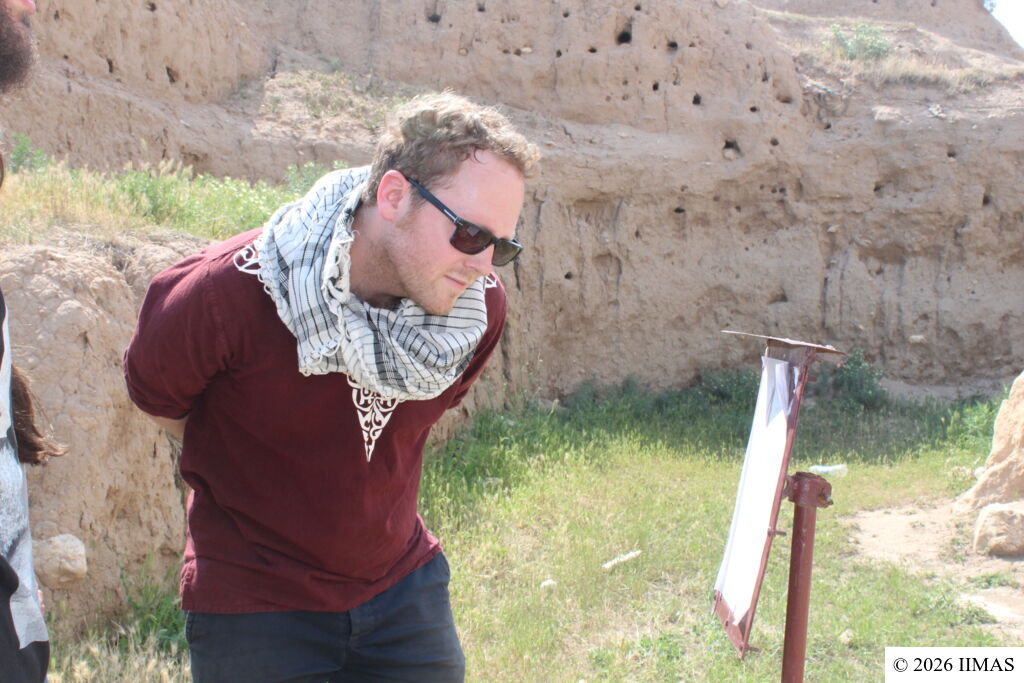
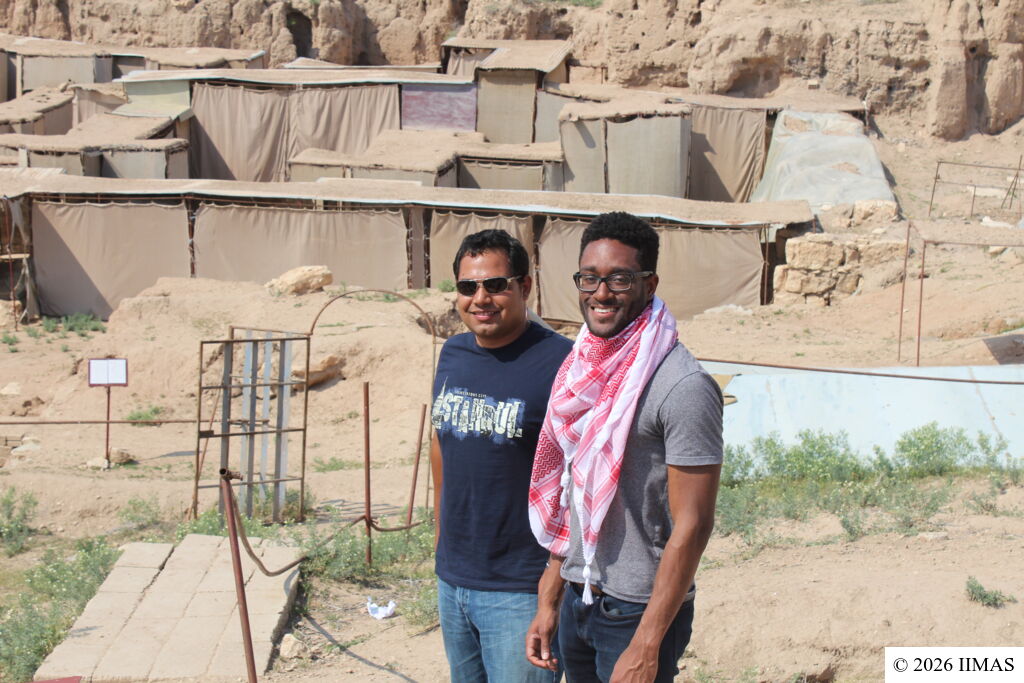
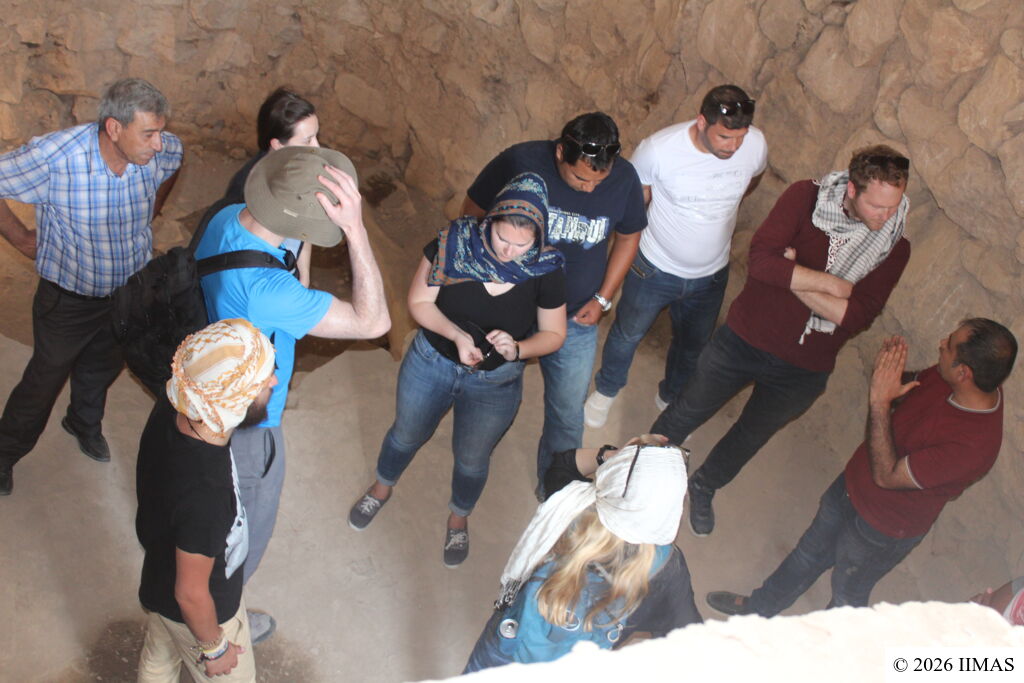
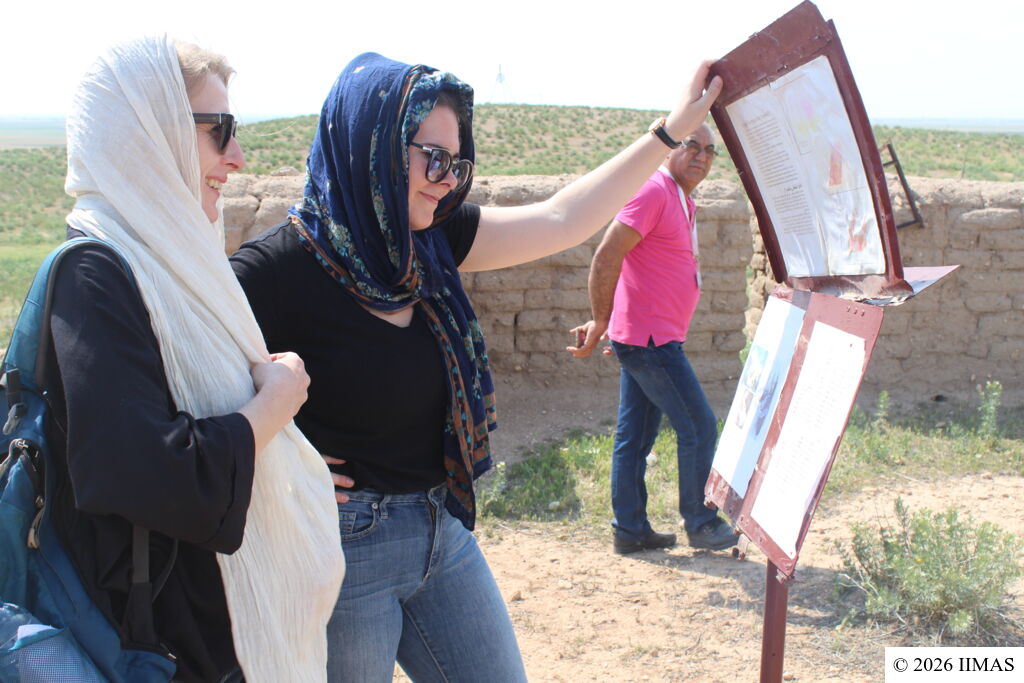
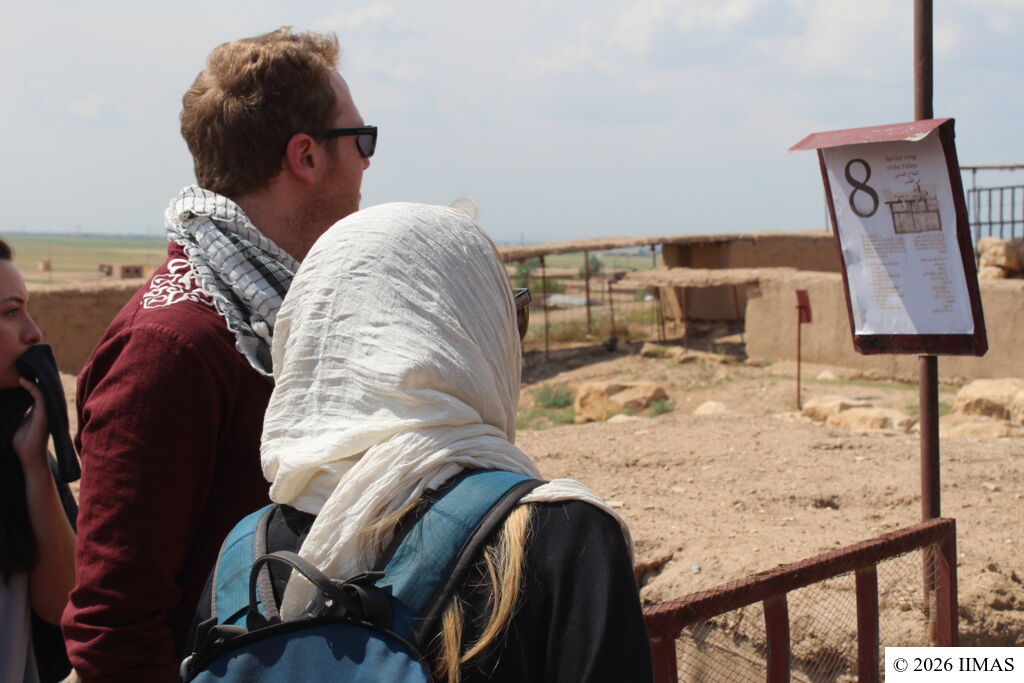
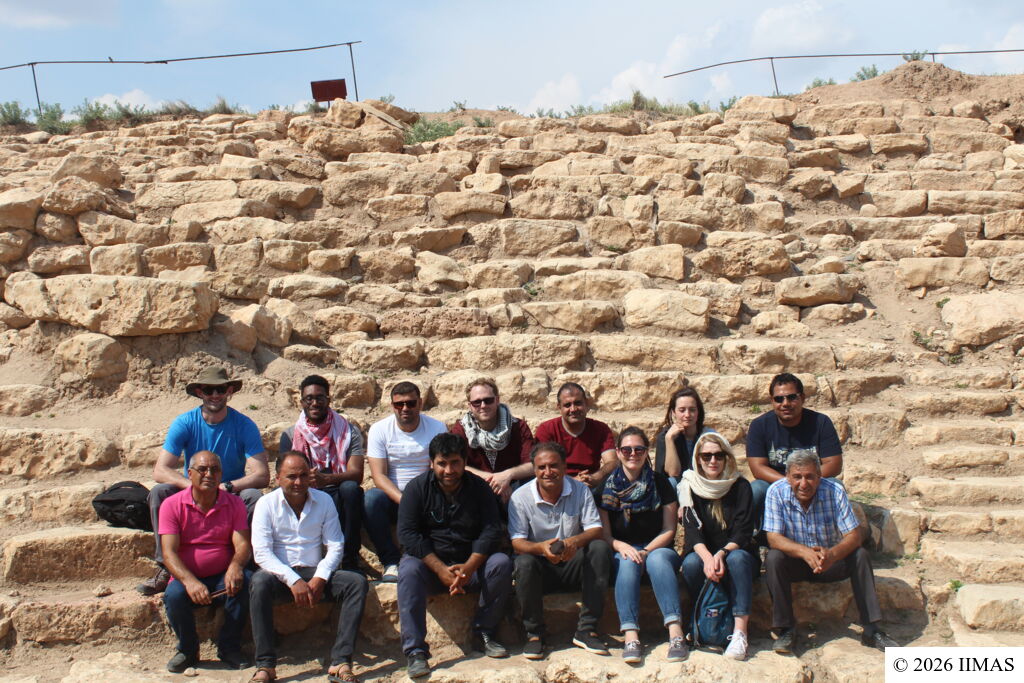
A group of employees from ACTED organization, representing different nationalities, visited Urkesh. Archaeology was not among their main interests. Nevertheless, the imposing height of Tell Mozan had caught their attention every time they travelled between Amuda and Qamishli, as the tell is located only a few kilometres from the main road connecting the two cities. Its impressive size aroused their curiosity, although they had not initially known that it was an archaeological site where excavations were being carried out. This prompted them to inquire about its name, and after searching online, they discovered its great historical significance. They subsequently contacted me and asked me to accompany them on a tour of the site.
|
|
|
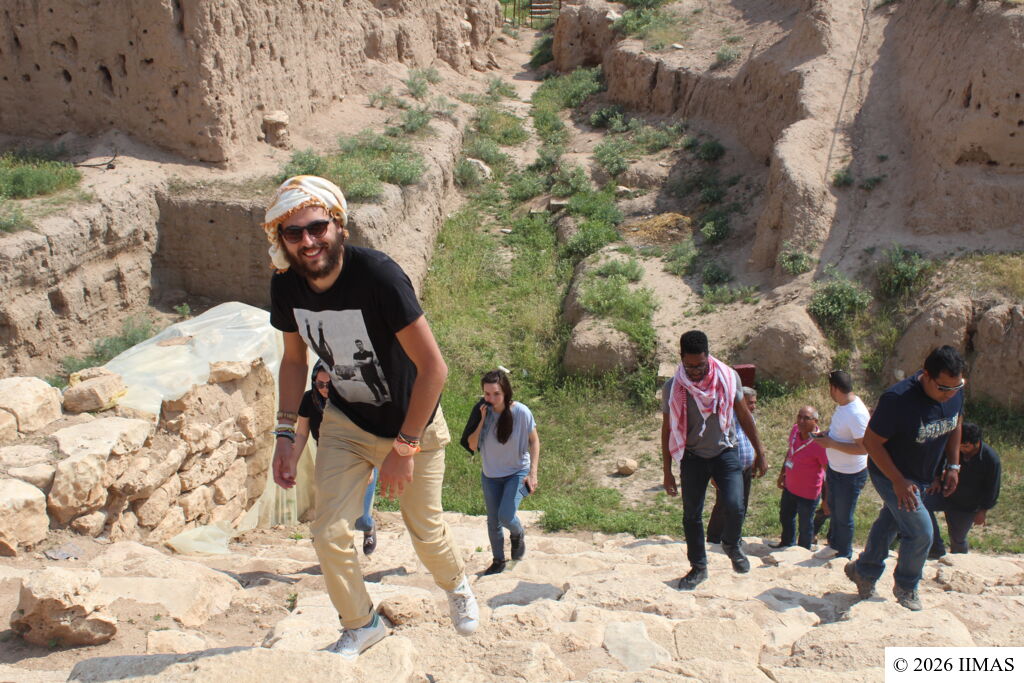
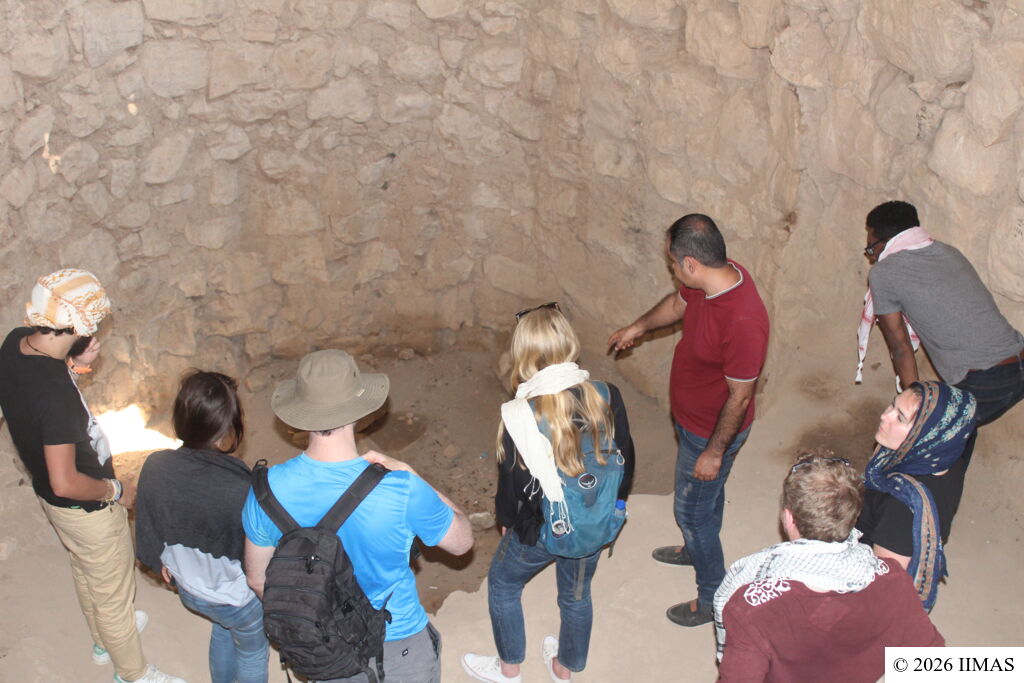
Upon arriving at Urkesh, they were amazed by the enormous stones used in the construction of the ancient buildings and by the monumental staircase in the temple area. Abi, a distinctive architectural feature of Urkesh, also attracted their attention, as it was unlike any monument they had encountered before. However, what surprised them most was learning the age of the palace walls. When I told them that the walls dated back approximately 4,300 years, they could hardly conceal their astonishment and asked with admiration: How had these walls managed to survive for so many centuries, right up to the present day?
|
|
|
For them, the visit was an opportunity to discover a part of the region’s rich ancient history, learn more about the civilisation of Urkesh and its historical significance, and appreciate the material remains preserved at this archaeological site, which bear witness to the region’s history spanning thousands of years.
|
|
Back to top: ACTED Organization at Urkesh